
Wheel Alignment
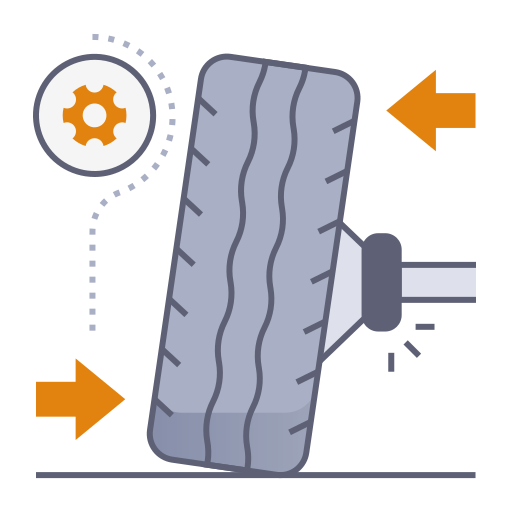
What is Wheel Alignment?
Wheel alignment is a crucial maintenance procedure that ensures your vehicle’s wheels are adjusted to the manufacturer’s specifications. This adjustment is essential for optimal handling, steering stability, tire wear, and overall vehicle performance. It involves three main alignment angles:
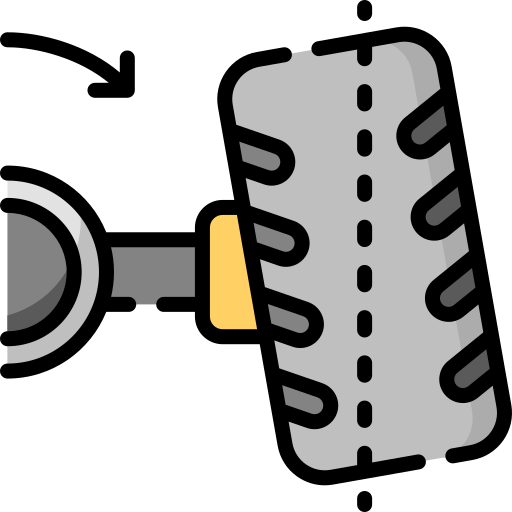
1. Caster:
- Definition: Caster is the angle of the steering axis when viewed from the side of the vehicle.
- Function: It helps to stabilize steering, providing directional control and returnability of the steering wheel after completing a turn.
2. Camber:
- Definition: Camber is the inward or outward angle of the tire when viewed from the front of the vehicle.
- Function: Proper camber ensures even tire wear and maintains optimal contact with the road surface, especially during cornering.
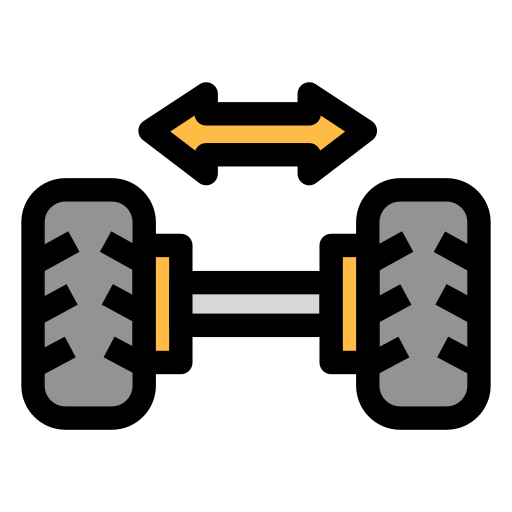
3. Toe:
- Definition: Toe refers to the angle of the tires relative to each other and to the centerline of the vehicle when viewed from above.
- Function: Correct toe alignment ensures straight-line stability and prevents tire wear by minimizing friction and drag while driving.
Importance of Wheel Alignment:
- Safety: Proper wheel alignment enhances vehicle stability and control, reducing the risk of accidents and improving overall safety on the road.
- Tire Longevity: Correct alignment prevents uneven tire wear, extending the lifespan of your tires and maximizing their performance.
- Fuel Efficiency: Improves fuel efficiency by reducing rolling resistance. Misaligned wheels can cause tires to drag against the road surface, increasing fuel consumption.
- Driving Comfort: Enhances steering response and provides a smoother, more comfortable driving experience for passengers.
Signs You Need Wheel Alignment:
- Uneven Tire Wear: Check for wear patterns on your tires, such as one side wearing faster than the other. Misaligned wheels can cause tires to wear unevenly.
- Vehicle Pulling: If your vehicle tends to drift or pull to one side while driving on a straight road, it may indicate misaligned wheels.
- Off-Center Steering Wheel: Your steering wheel may not be centered when driving straight, which can be a sign of alignment issues.
- Steering Wheel Vibration: Feeling vibrations in the steering wheel, especially at higher speeds, can indicate problems with wheel alignment.
- Handling Issues: Difficulty steering or a feeling of instability while driving can be caused by misaligned wheels affecting vehicle control.
Our Wheel Alignment Process:
1. Initial Inspection:
- Thorough Examination: We conduct a detailed inspection of your vehicle’s tires, suspension system, and steering components to identify alignment issues and assess the condition of your tires.
2. Alignment Adjustment:
- Precision Adjustment: Using state-of-the-art alignment equipment, we adjust the three main angles: caster, camber, and toe to bring them within manufacturer specifications.
3. Final Inspection:
- Verification of Alignment Settings: After adjustment, we verify that all angles meet the manufacturer’s specifications to ensure optimal performance and safety.
4. Test Drive:
- Road Test: A final road test is conducted to confirm the vehicle’s handling and steering response post-alignment. This ensures that your vehicle performs at its best on the road.
Why Choose Us for Wheel Alignment?
- Expert Technicians: Our certified technicians have extensive experience in wheel alignment and use the latest equipment to ensure precision.
- Advanced Equipment: We utilize state-of-the-art alignment technology for accurate and efficient adjustments.
- Customer Satisfaction: We are dedicated to providing exceptional service and ensuring your complete satisfaction.
Frequently Asked Questions (FAQs)
What is the difference between wheel alignment and wheel balancing?
Wheel alignment adjusts the angles of the wheels to the manufacturer’s specifications, while wheel balancing corrects weight imbalances in the wheels.
How often should I get a wheel alignment?
It’s generally recommended to get a wheel alignment every 6,000 to 10,000 miles or whenever you notice signs of misalignment.
Can misaligned wheels cause damage to my vehicle?
Yes, misaligned wheels can lead to uneven tire wear, reduced fuel efficiency, and strain on the vehicle’s suspension and steering components.